Planning: This is the first and perhaps most important phase of the project. It involves defining the goals and objectives of the app, identifying the target audience, and creating a project roadmap. This roadmap should outline the key features and functionality of the app, as well as the timeline for development. It’s important to be as detailed as possible in the planning phase, as this will help ensure that the project stays on track and that all stakeholders are aligned on the direction of the app.
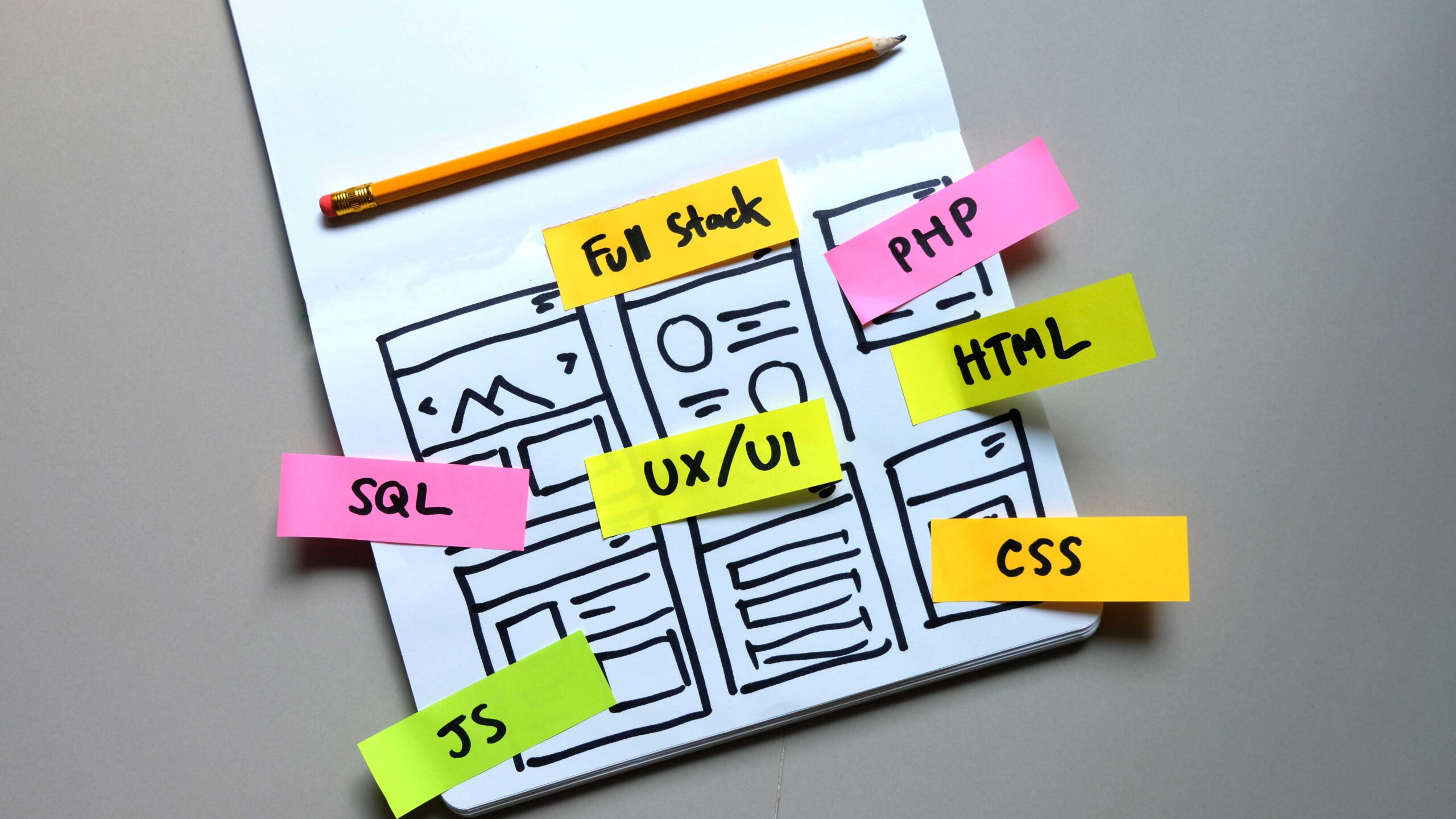
Design: During the design phase, the user experience and user interface of the app are created. This includes creating wireframes, prototypes, and mockups to visualize the layout and functionality of the app. The design should be based on the goals and target audience identified in the planning phase, and should take into account usability, aesthetics, and overall user satisfaction.
Development: Once the design is finalized, the development phase begins. This is when the app is actually built, using a combination of front-end (client-side) and back-end (server-side) technologies. The development process typically involves a team of developers working together, using a version control system to manage the codebase and track changes.
Testing: After the app is developed, it needs to be thoroughly tested to ensure that it is bug-free and performs as expected. This may involve both manual testing, where a tester manually checks the app for errors, and automated testing, where specialized tools are used to run automated tests on the app.
Deployment: When the app is ready to be released, it must be deployed to a hosting environment, such as a web server or app store. This process involves uploading the code and any required assets, and configuring the app for the target environment.
Maintenance: Even after an app is released, it needs ongoing maintenance to fix bugs, add new features, and ensure that it remains up-to-date and secure. This may involve releasing updates and patches, as well as monitoring the app for performance issues and addressing them as needed.